
This page provides information about Thrombotic Thrombocytopenic Purpura
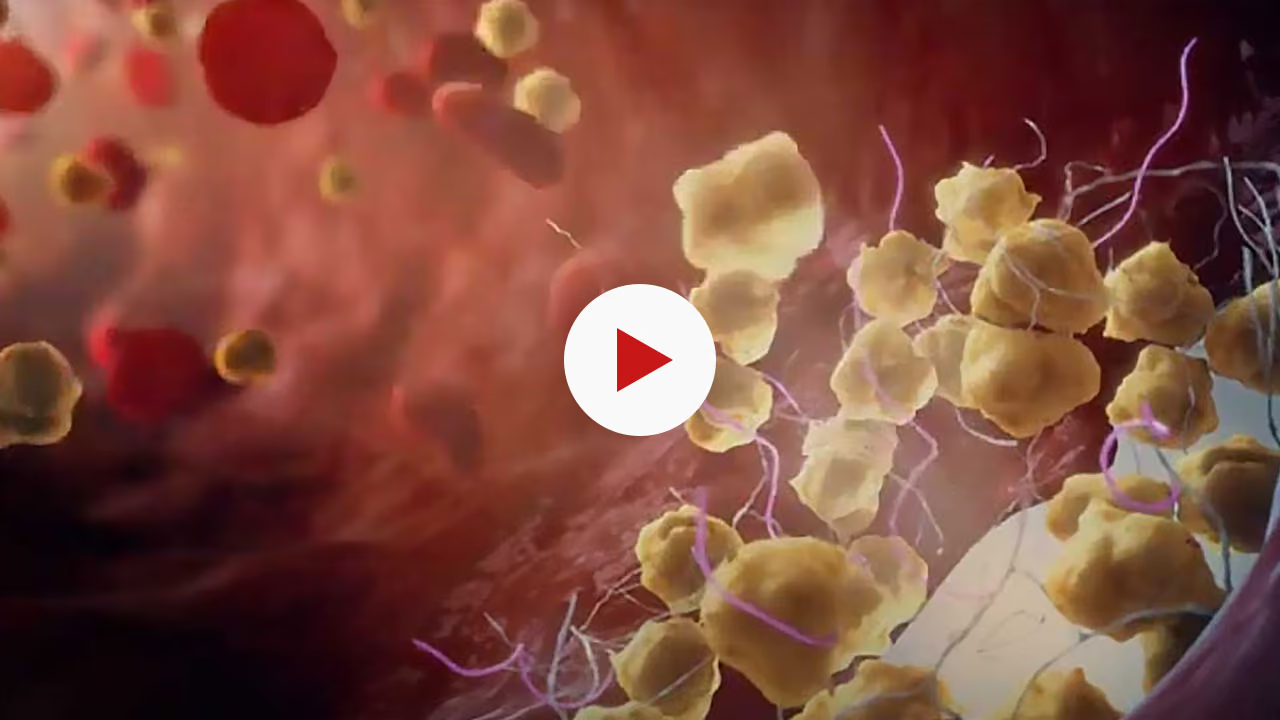
Thrombotic Thrombocytopenic Purpura (TTP) is a rare and serious blood disorder that can affect anyone, at any age. This short video explains the underlying disease process of TTP and helps to make sense of what happens in the body when the condition develops.

Headaches
Confusion
Petechia
Stomach upset
Bruising
Disturbed vision
Stroke-like symptoms such as trouble speaking, loss of balance etc.
Thrombotic Thrombocytopenic Purpura (TTP) is a rare blood disorder, that affects between 6 to 10 people in every million.
It is more common in women than men although it can affect people of all ages. Black African and Caribbean people are over-represented in TTP. The average age of diagnosis is 40 years.
TTP was first described in 1924 by Dr Eli Moschcowitz who had been treating a 16 year old female patient who was in a coma and had kidney failure. She died within 2 weeks. Moschcowitz described the characteristics of TTP based on his patient’s post mortem results. Survival rates have improved greatly since 1924. With accurate diagnosis and prompt treatment, current survival rates are approximately 80%.
TTP episodes are serious and life-threatening. It is considered a medical emergency and it is estimated that 10-20% of acute patients die from TTP, despite currently available treatments. TTP is a lifelong condition, as after their initial diagnosis many patients will experience further episodes of TTP (called relapses).
People with TTP have a deficiency of the enzyme that should break down the von Willebrand Factor, which, with platelets, normally prevents bleeding. This enzyme stops working properly and the platelets become sticky and form blood clots in small vessels that can affect any organ.Thrombotic Thrombocytopenic Purpura (TTP) is known, in the majority of patients, as an autoimmune condition.
A patient with Acquired/Idiopathic TTP will have a trigger that sets off the TTP episode. If you have Acquired/Idiopathic TTP you will have been susceptible for some (as yet unknown) reason to getting the condition, and the trigger will have brought on the episode of TTP.
Here are some known triggers:
However, in most patients with Acquired/Idiopathic TTP, they have no obvious triggering factor. TTP affects both male and females, 2/3rds of patients are females and all age groups although it is most commonly seen in the 3rd and 4th decade. The best-known treatment for TTP is plasma exchange therapy. Whole platelets should not be given to a TTP patient as this effectively feeds the disease.
In Acquired/Idiopathic TTP, the body’s immune system starts producing antibodies that stop ADAMTS13 from working. Acquired/Idiopathic TTP accounts for around 95% of all cases of TTP.

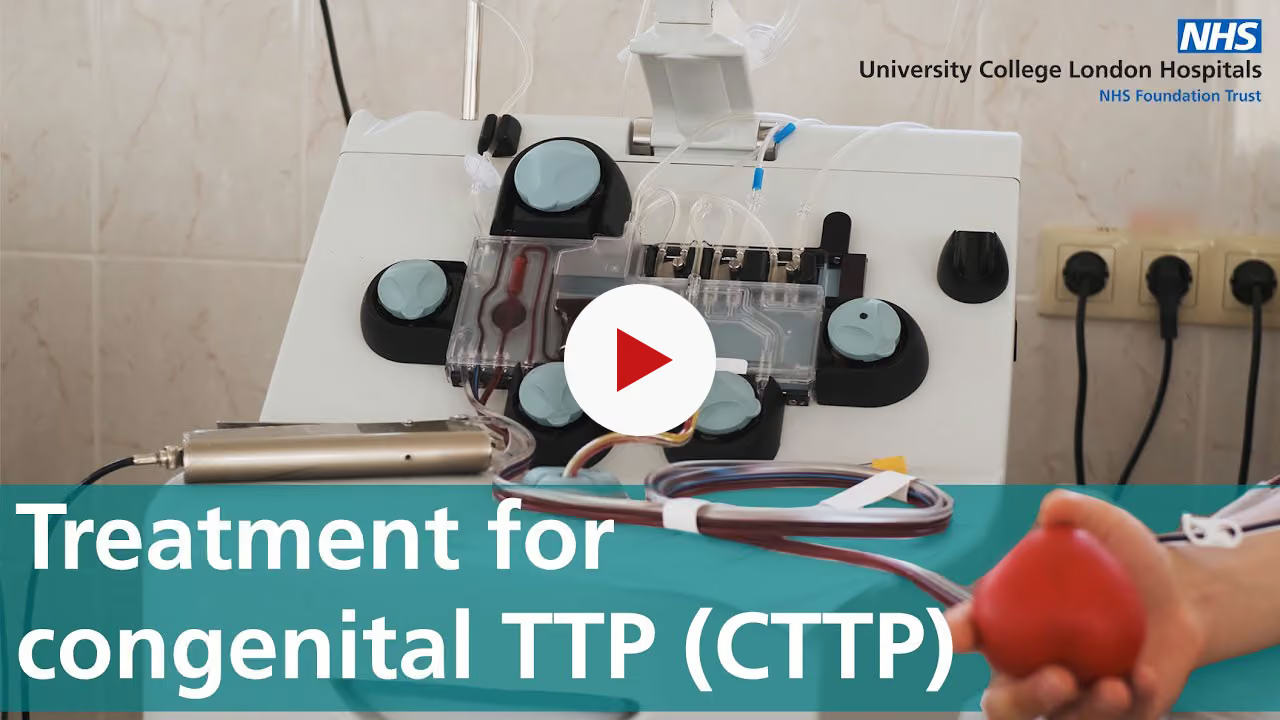

People with congenital (also called Inherited) TTP are born with the condition. It remains with them throughout their life. There is a mistake in the gene that tells the body how to make the enzyme ADAMST13, therefore, the ADAMST13 is missing. It affects males and females equally, and the condition is inherited from parents where each parent has half of the nonworking gene. The parents will not have the condition themselves as they only have half of the nonworking gene.
Congenital TTP is even rarer than the acquired form. As of 2007, there are approximately 15 cases in the UK.
Symptoms of a patient (baby or small child) with congenital TTP include:
Like Acquired TTP, it is not clear what triggers congenital TTP in all patients – some patients show the signs and symptoms at birth while others do not show them until adulthood. As with Acquired TTP, there are certain factors, such as pregnancy or infection, that seem to play a role in triggering inherited TTP.
International Society on Thrombosis and Haemostasis TTP Guideline
The British Society for Haematology Guideline on TTP
Diagnostic and Treatment Guidelines for TTP in Japan

We are a non-profit organisation, comprising TTP patient organisations all over the world.
.svg)
